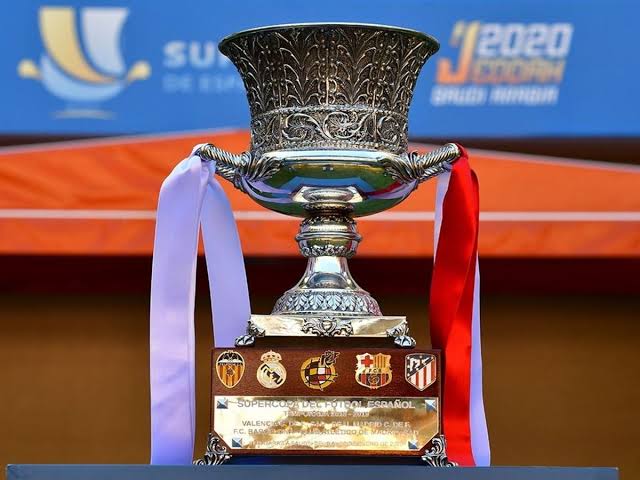
The roar of Spanish football fans has found a new, echoing home in the heart of the Middle East. While traditionalists might prefer the local stadiums of Madrid or Barcelona, the Spanish Super Cup has firmly planted its roots in the Gulf.
This shift is not just a change of scenery; it is a calculated move to redefine the competition’s global footprint.
For any supporter tracking their team’s journey, understanding this geographic shift is key to following the modern game.
A Lucrative Partnership for the Spanish Super Cup and Spanish Football
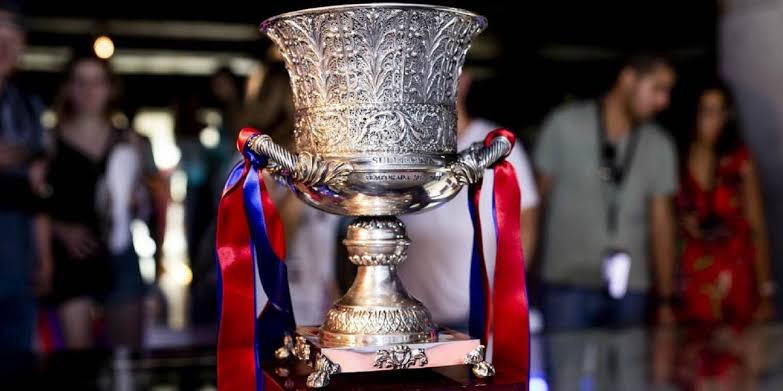
Money often dictates the direction of modern sports, and the Spanish Super Cup is no exception. The Royal Spanish Football Federation (RFEF) secured a landmark deal with Saudi Arabia, reportedly worth over €40 million annually.
This injection of capital is vital, as a significant portion of the revenue trickles down to support grassroots football and lower-tier clubs back in Spain.
By hosting the Spanish Super Cup in cities like Riyadh and Jeddah, the federation ensures financial stability for the entire Spanish football pyramid.
This long-term agreement, which currently runs through 2029, has transformed a once-modest preseason trophy into a high-revenue mid-season spectacle.
Read also:- What is the Spanish Super Cup and how does it work?
Growing the Spanish Super Cup Brand in New Markets
Expanding the reach of La Liga’s giants is a core pillar of the move. Bringing the Spanish Super Cup to a football-hungry nation like Saudi Arabia allows teams like Real Madrid and FC Barcelona to engage directly with millions of international fans.
It is a strategic effort to rival the commercial dominance of the English Premier League by making Spanish stars more accessible to the Asian and Middle Eastern markets.

Spanish Super Cup and Vision 2030
Saudi Arabia’s “Vision 2030” initiative aims to make the Kingdom a global hub for world-class sporting events.
Hosting the Spanish Super Cup provides the perfect platform to showcase their state-of-the-art stadiums and hospitality.
This partnership benefits both sides: Spain gains a wealthy benefactor and international exposure, while Saudi Arabia cements its status as a premier destination for elite international competition.
Do you think playing domestic trophies abroad helps or hurts the connection between a club and its local fans?