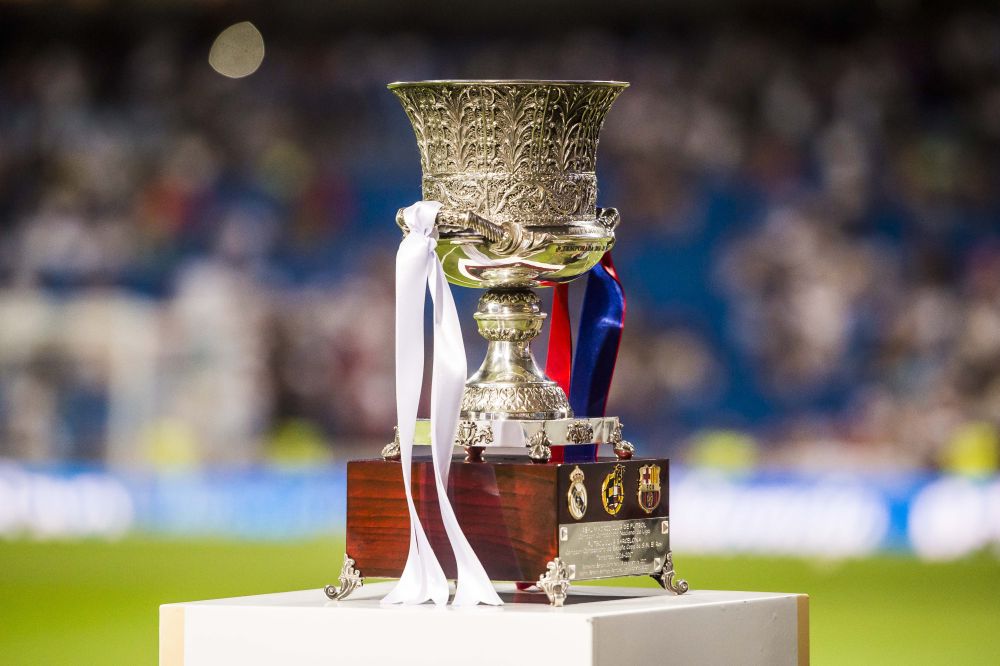
Ever wondered how a simple curtain-raiser evolved into a high-stakes, multi-team spectacle in the Middle East? The Spanish football calendar is now defined by its mid-winter dash for silverware, featuring the biggest names in the sport.
Fans across the globe tune in to see if the heavyweights can hold off hungry underdogs. Understanding the current format of the Spanish Super Cup is essential for any die-hard La Liga follower.
The Evolution to a Four-Team Spanish Super Cup
Since 2020, the Spanish Super Cup has moved away from its traditional two-team roots. Instead of a simple match between the league winner and the cup holder, the tournament now features exactly four teams. This “Final Four” setup has transformed the competition into a mini-tournament that provides more drama and higher television viewership.
Who Qualifies for the Spanish Super Cup?
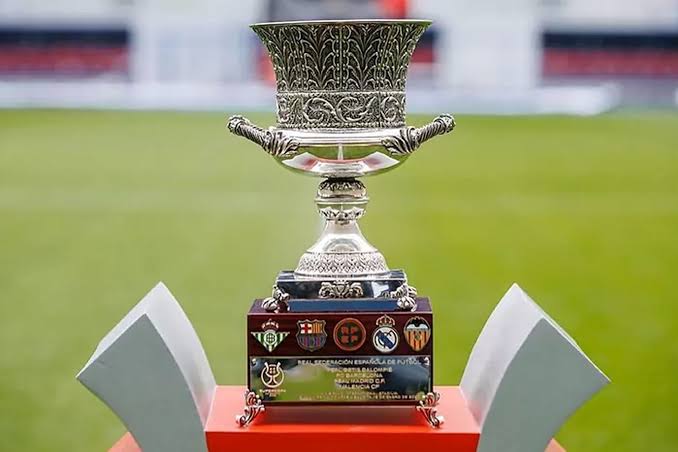
The qualification criteria for the Spanish Super Cup are strictly defined to ensure only the elite participate. The four slots are allocated to the following:
- The Winner of La Liga
- The Runner-up of La Liga
- The Winner of the Copa del Rey
- The Runner-up of the Copa del Rey
If a team qualifies through both competitions—such as winning the “Double”—the spot is handed down to the next highest-placed team in the league standings. This ensures the tournament remains a star-studded affair every January.
The Current Semi-Final Structure of the Spanish Super Cup
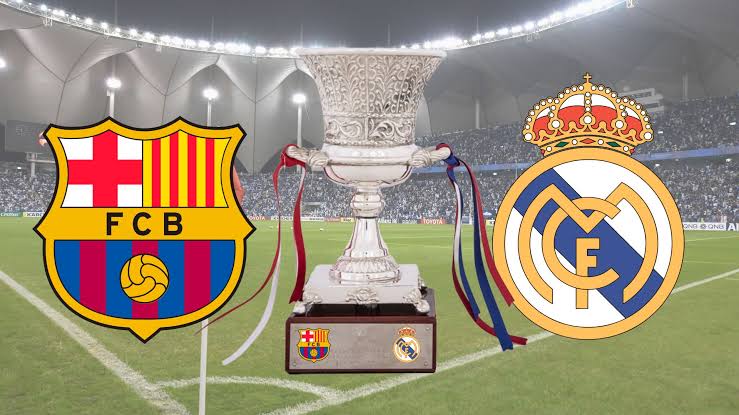
Under the new regulations, the tournament consists of two semi-finals followed by a grand final. There is no third-place playoff, keeping the focus entirely on the trophy. Typically, the La Liga champion faces the Copa del Rey runner-up, while the Cup winner takes on the league’s second-place side.
This structure often sets the stage for a potential “El Clásico” final, which recently saw Barcelona secure a record-extending 15th title in 2025. The high-intensity matches of the Spanish Super Cup continue to be a fan favorite, especially with the tournament now hosted in Saudi Arabia.