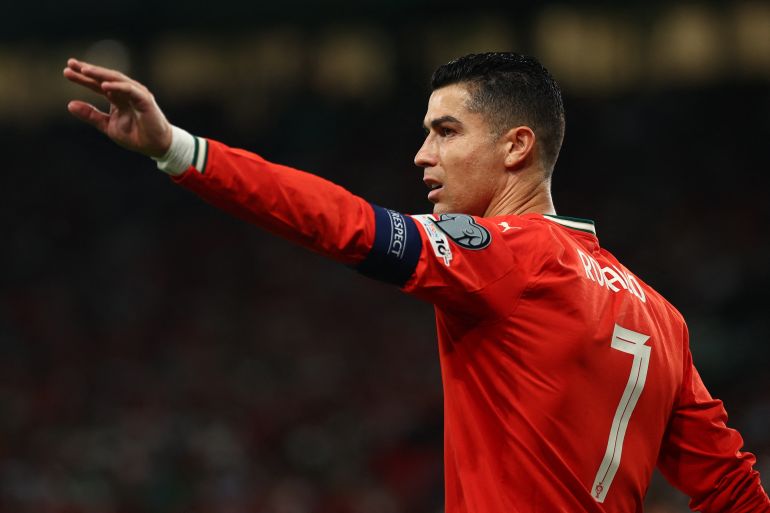
Cristiano Ronaldo will step onto the World Cup stage next summer after receiving an extraordinary reduction to what should have been a three-match suspension—an intervention that has already stirred unease among potential opponents and triggered talk of appeals.
Fresh Controversy Over FIFA’s Decision to Restore Ronaldo’s Eligibility
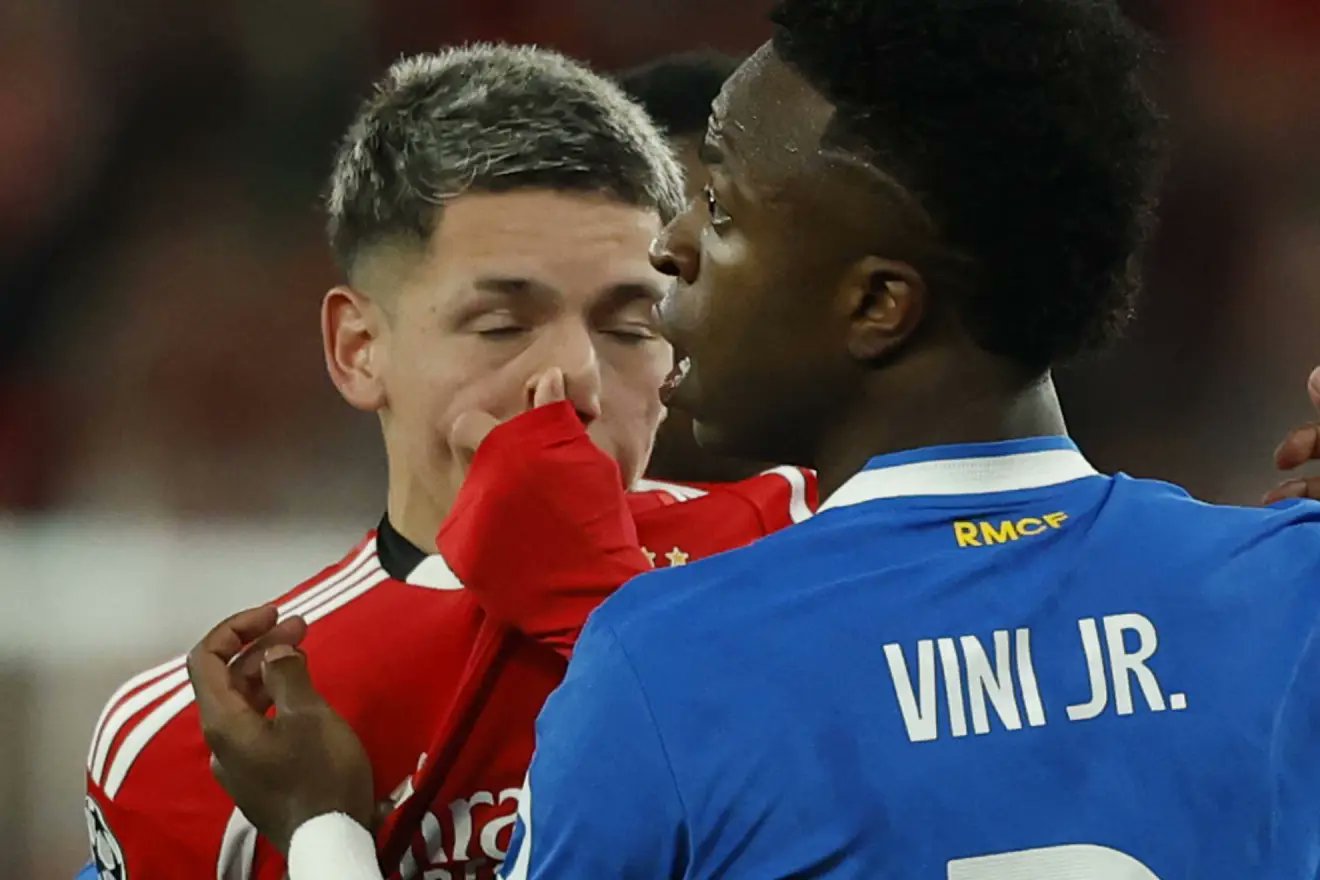
The 40-year-old was initially set to miss Portugal’s opening two group fixtures at the 2026 tournament following a violent-elbow incident against Dara O’Shea.
Under standard regulations, violent conduct results in a three-game ban across all official matches, and Ronaldo duly served the first part of it during Portugal’s 9–1 demolition of Armenia in their final qualifier.
But FIFA unexpectedly altered the trajectory of the punishment.
The organisation confirmed that only one match of the ban would stand, while the remaining two games would be suspended for a year under a probation ruling.
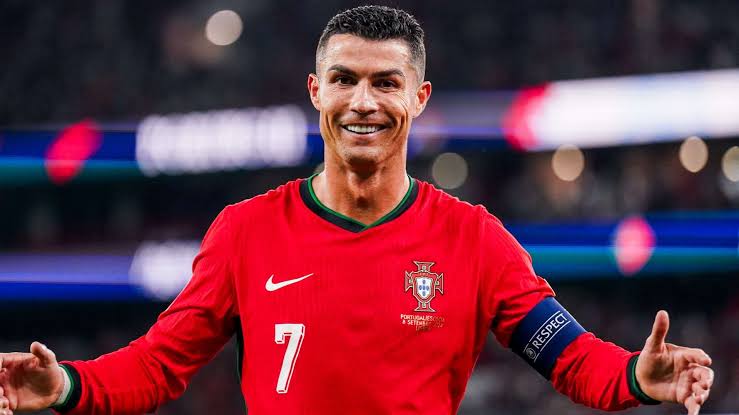
Ronaldo would only miss further matches if he commits “another infringement of similar nature and gravity” within that period.
According to claims reported in England, nations drawn to face Portugal at the World Cup could challenge the ruling, arguing that the legendary forward should remain ineligible.
The draw on December 5 will determine which teams—if any—decide to test their case with the Court of Arbitration for Sport (CAS), the body with the authority to overturn FIFA’s decision.
CAS, acting independently, would assemble its own panel to examine any potential complaint.
Whether any nation can credibly argue that they are directly harmed by Ronaldo’s reinstatement remains highly questionable.
The ruling itself is without historical precedent. BBC reporting notes that FIFA has never before chosen to partially suspend a ban rather than remove it entirely—though there have been other curious cases.
Laurent Koscielny missed only one match after striking Oleksandr Kucher in 2013, while Mario Mandžukić was allowed back in time for Croatia’s second group game in 2018, scoring twice upon his return.
Yet Article 27 of FIFA’s disciplinary code grants clear authority to partially suspend sanctions for a probation period of up to four years, a clause that appears to protect the governing body in this instance.
For any appeal to advance, a rival federation would need to demonstrate a specific legal interest and show that they are materially and uniquely impacted by Ronaldo’s availability—an argument that experts suggest will be difficult to establish.
As the countdown to the 2026 World Cup intensifies, the spotlight turns not only to Ronaldo’s return but also to FIFA’s unconventional interpretation of its own rules—a decision that may shape the early drama of the tournament before a ball is even kicked.