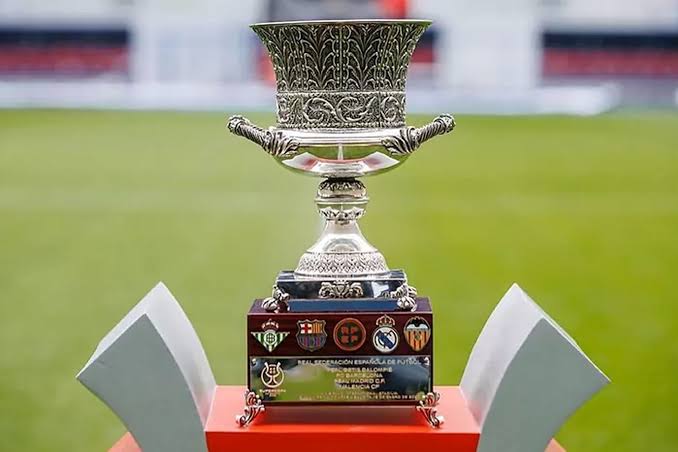
The landscape of Spanish football is never static, and nothing proves this better than the radical transformation of its mid-season showcase.
For decades, the tournament was a predictable, two-legged affair that served as a warm-up for the long season ahead. Fans grew accustomed to seeing the league champion face the cup winner in a relatively quiet August atmosphere.
However, recent years have seen a total reimagining of this historic competition to boost its global appeal. Understanding the shift in the Super Cup is essential for any fan tracking the modern game’s trajectory.
From Two Legs to the Super Cup Final Four
The most significant change arrived in 2020 when the traditional format was officially retired. Previously, the competition featured only two teams playing home and away matches to decide the winner.
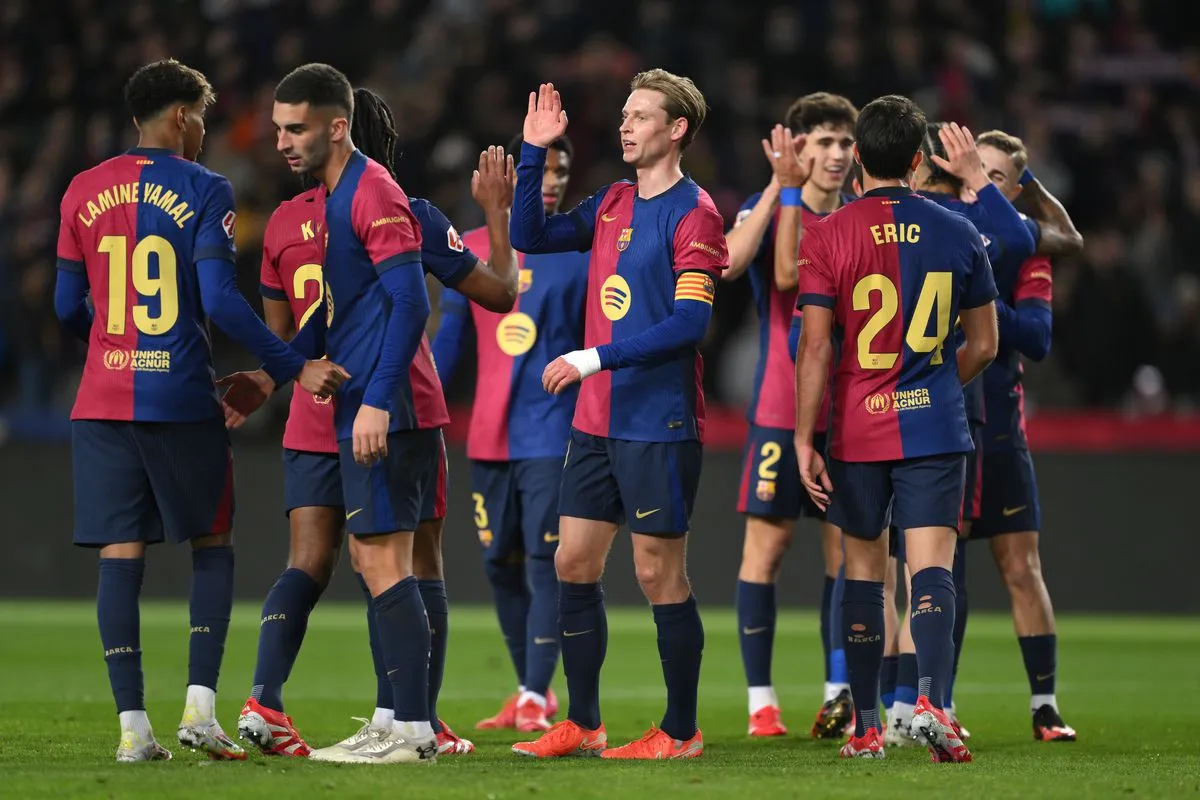
The RFEF decided to expand the Super Cup into a “Final Four” knockout style, inviting the top two from the league and both cup finalists. This expansion ensured that more high-stakes matches were played, providing fans with a mini-tournament experience rather than a single playoff.
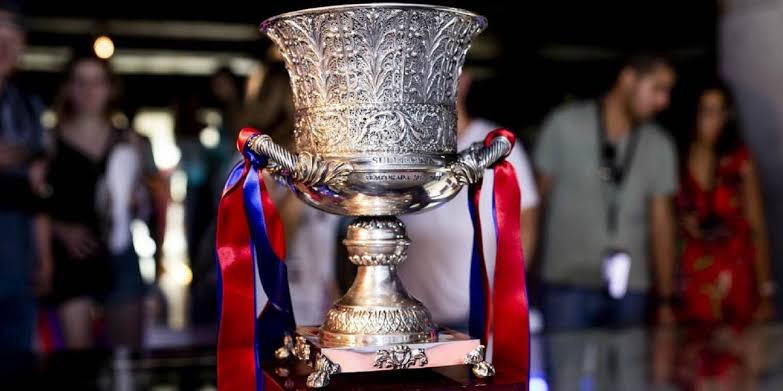
Globalization and the International Super Cup
Accompanying the structural change was a bold move to take the tournament abroad. While the Super Cup was historically played in Spain, the new era moved the matches to international venues like Saudi Arabia.
This globalization strategy aimed to tap into emerging markets and increase commercial revenue for Spanish clubs.
Moving the event to January also provided a high-profile break during the winter, keeping the momentum of the domestic season alive during a typically cold period in Europe.
- Host Cities: Matches have been hosted in Jeddah and Riyadh.
- Commercial Growth: New sponsorship deals have significantly increased prize money.
- Broadcasting: The tournament now reaches over 150 countries worldwide.
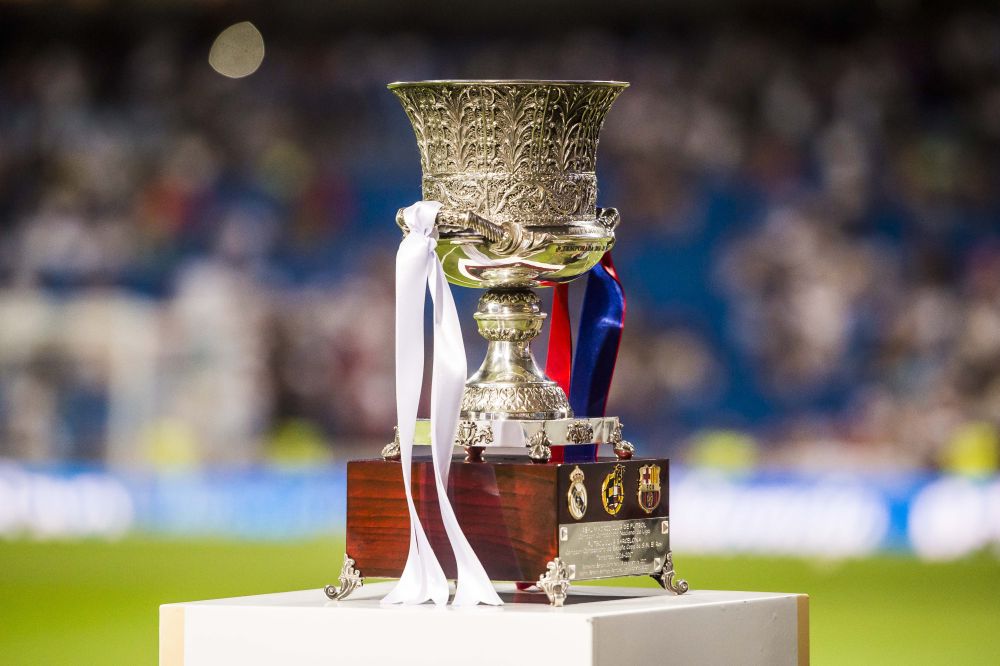
The Modern Legacy of the Super Cup
Today, the competition is a prestigious trophy that elite managers take very seriously. Because the current Super Cup format allows for more “Clásico” or “Derbi” matchups on a neutral stage, the intensity has skyrocketed.
It is no longer just a ceremonial plate; it is a battle for domestic supremacy that sets the tone for the title race. This evolution has successfully turned a summer tradition into a winter blockbuster.
Do you think the move to a four-team format outside of Spain has improved the competition, or do you miss the traditional home-and-away ties?