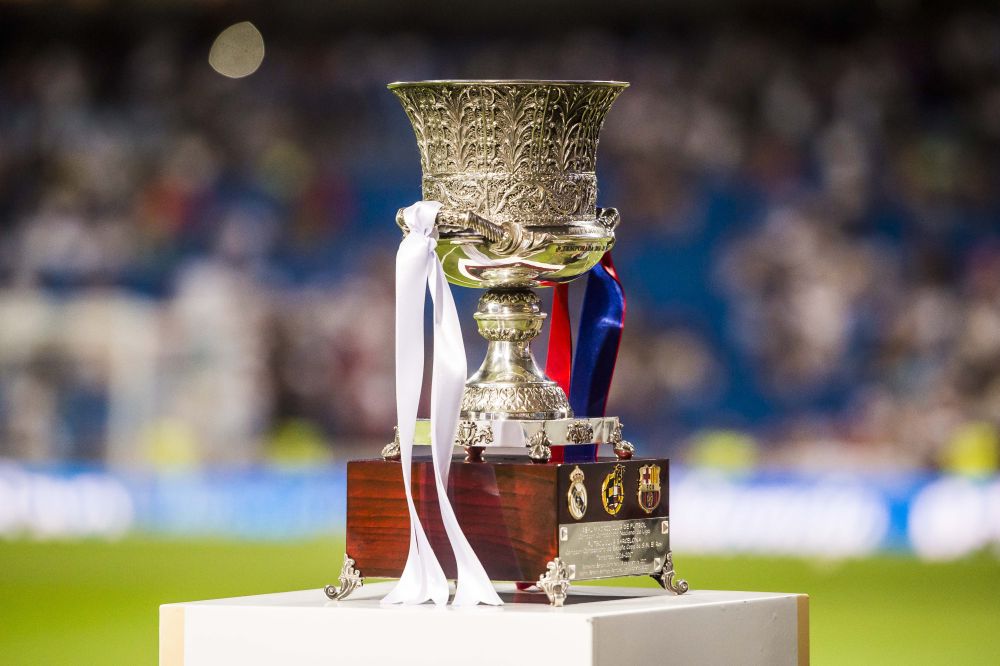
The road to the Spanish Super Cup is paved with grit and drama, ensuring only the elite clubs face off for the season’s first major trophy.
Qualifying for the Spanish Super Cup requires a blend of league consistency and knockout success across Spain’s most prestigious competitions.
This “Final Four” format ensures that the most deserving clubs from the previous season face off on a global stage. If you are wondering how your favorite team can punch their ticket, the process is strictly defined by their performance across two major tournaments.
The Pillars of Spanish Super Cup Qualification
The modern qualification criteria rely on the final standings of both La Liga and the Copa del Rey. Specifically, four distinct slots are reserved for the elite performers of the previous footballing year.
- The Champions and Runners-up of La Liga: League consistency is rewarded with two guaranteed spots.
- The Winners and Runners-up of the Copa del Rey: Success in Spain’s premier knockout competition provides the remaining two paths.
By including the runners-up from both tournaments, the Spanish Super Cup maximizes the level of competition, often leading to high-profile matchups between the nation’s biggest rivals.
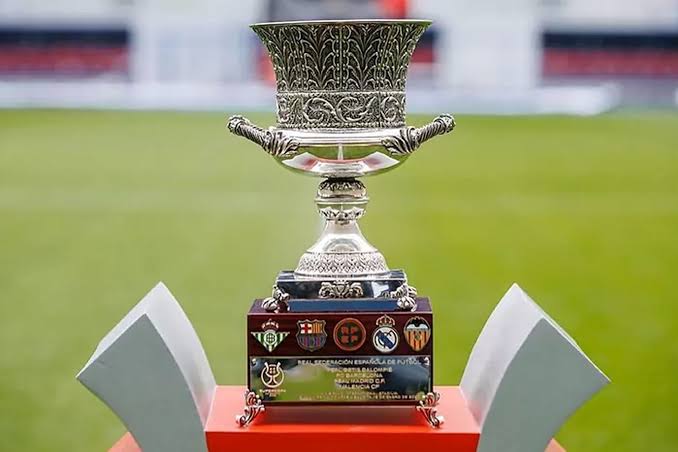
Handling the “Double” Qualification Scenario for the Spanish Super Cup
A common question arises when one team dominates both domestic competitions. If a club wins both the league and the cup—or finishes in the top two of both—the RFEF uses a “trickle-down” system.
In such cases, the vacant spots are awarded to the highest-ranked teams in the final La Liga standings that have not already qualified.
For example, in the 2026 edition, Atlético Madrid and Athletic Club earned their places because the top spots were already occupied by double-qualifiers.
This ensures the tournament always features four top-tier participants regardless of a single club’s dominance.
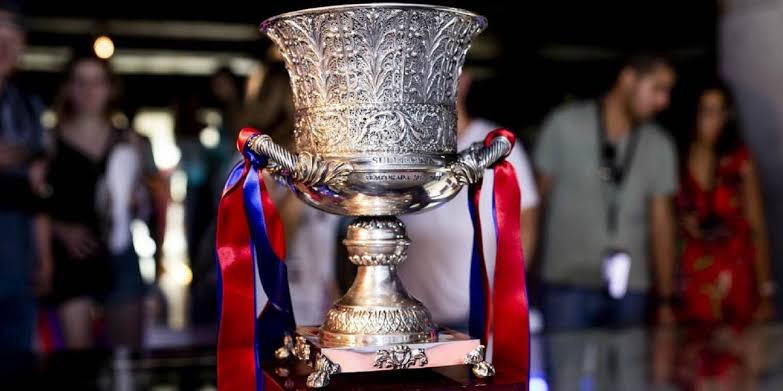
The Strategic Importance of the Spanish Super Cup
Qualifying for the tournament is more than just a chance at silverware; it is a significant financial boost for the clubs.
The Spanish Super Cup generates substantial revenue, which is distributed among the participants to support various levels of Spanish football. Moreover, the winners gain a psychological edge for the remainder of the season.
As the tournament continues its residency in Saudi Arabia, the drive to qualify for the Spanish Super Cup has become a primary objective for every ambitious club in Spain.
Do you think the current four-team qualification system is fairer than the traditional two-team format?