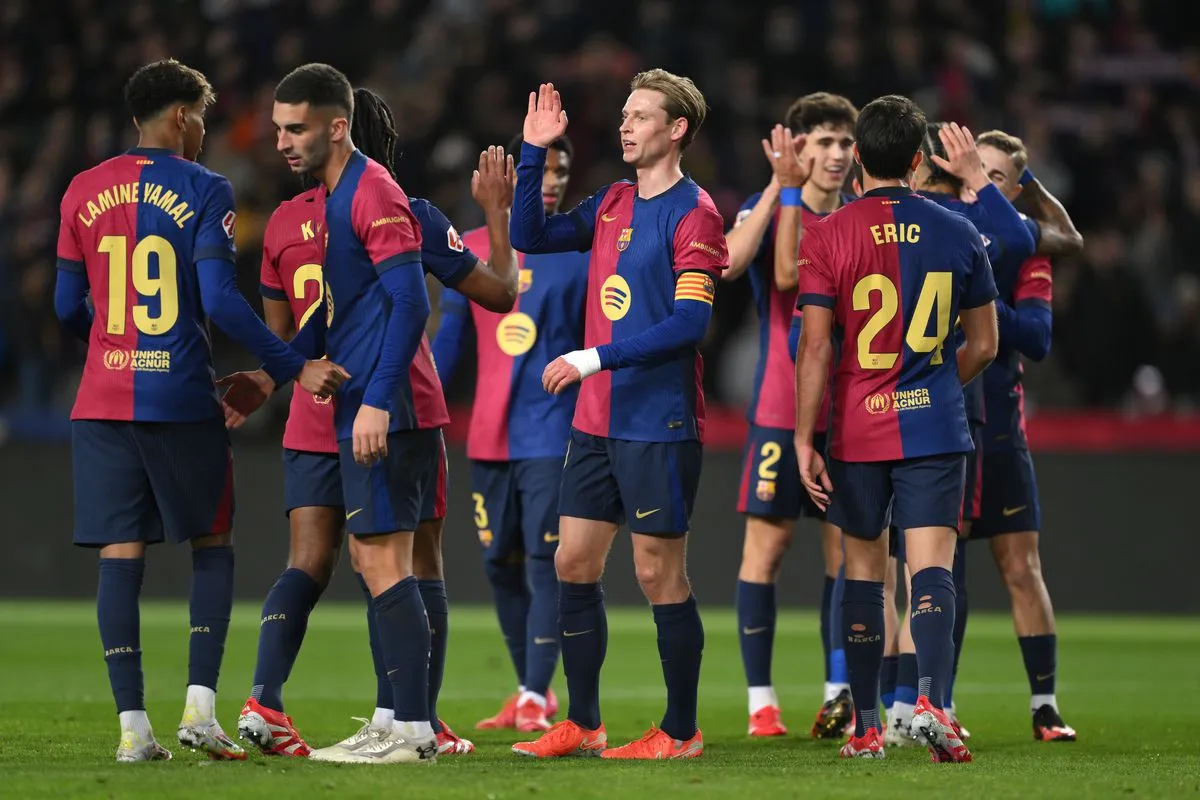
The tradition of Spanish football has always been rooted in local pride, but recent years have seen a bold shift toward global expansion.
For decades, the season’s opening trophy was a domestic affair played across two legs in Spain. However, the tournament has now embraced an international identity that takes the stars of La Liga to new horizons.
If you are curious about the timeline of this transformation, we have the full history of how the Spanish Super Cup went global.
The First International Spanish Super Cup
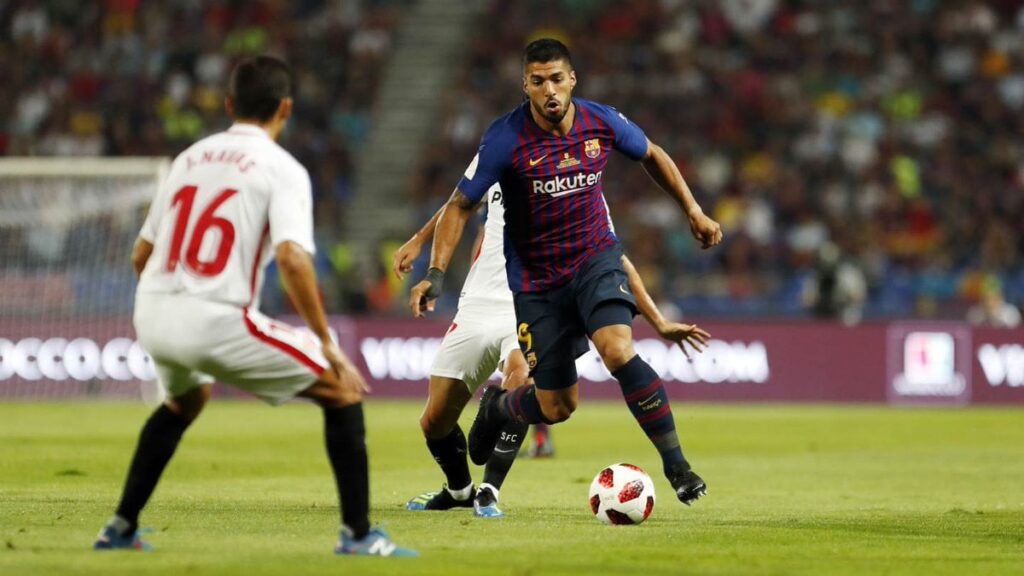
The trend of playing outside Spanish borders began in 2018. In a historic move, the RFEF decided to ditch the traditional two-legged format for a single match held in Tangier, Morocco. This landmark event saw FC Barcelona defeat Sevilla 2-1, marking the first time the Spanish Super Cup was officially contested on foreign soil.
This successful experiment paved the way for a much larger structural overhaul that would change the competition forever.
Moving the Spanish Super Cup to Saudi Arabia
Following the success in Morocco, the tournament underwent a massive transformation in 2020. The RFEF signed a lucrative long-term deal to host a new “Final Four” format in Saudi Arabia.
Since then, the Spanish Super Cup has been held in the Middle East nearly every year, primarily in cities like Jeddah and Riyadh.
The only brief return to Spain occurred in 2021 due to travel restrictions, but the tournament quickly returned to its new international home the following year.
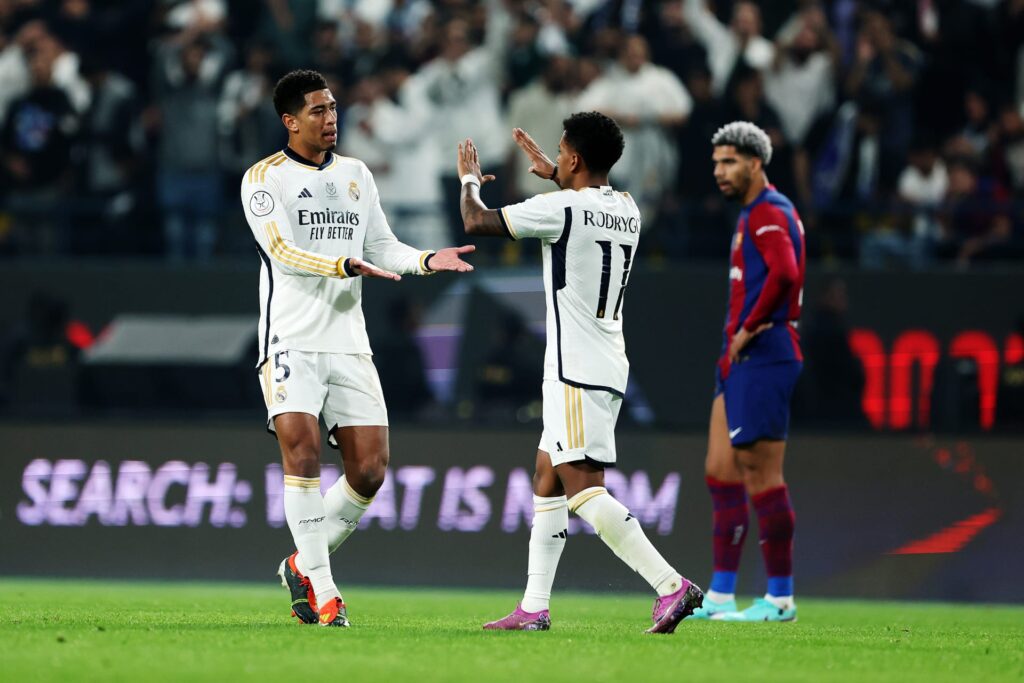
The Global Impact of the Spanish Super Cup
As of early 2026, the tournament has been played outside of Spain for six of the last eight editions. This shift has successfully increased global viewership and commercial revenue, though it remains a topic of debate among local supporters.
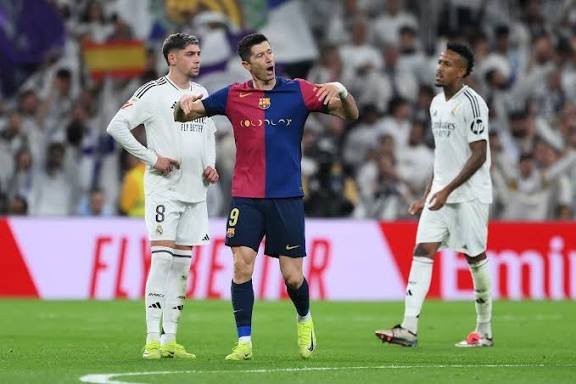
By taking the Spanish Super Cup to international venues, the league has ensured that the “El Clásico” rivalry and other top fixtures reach a broader, more diverse audience.
The 2026 edition in Jeddah continues this trend, solidifying the tournament’s status as a premier global sporting event.
Do you think the Spanish Super Cup loses its soul by being played abroad, or is the global exposure worth the move?