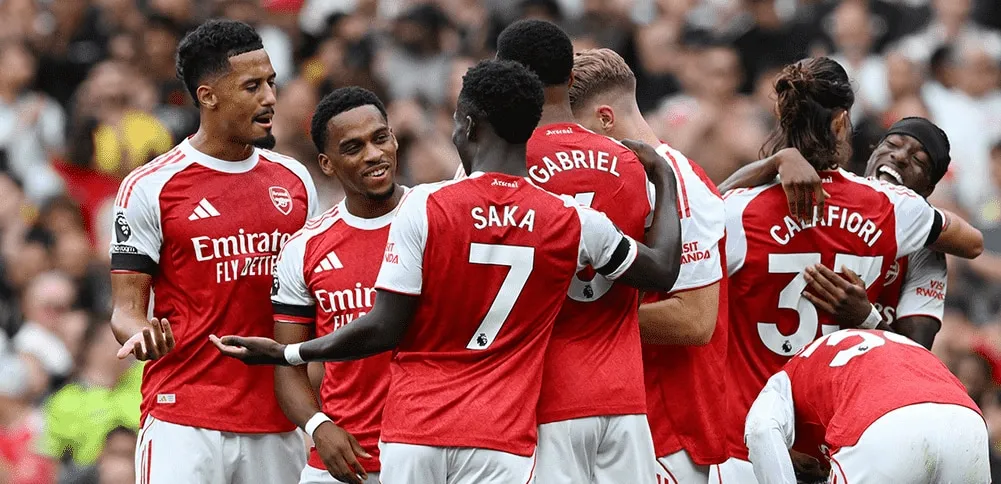

The modern full-back is no longer just a defender; they are the tactical heartbeat of elite football. As we approach the 2026 Supercopa in Jeddah, all eyes are on how tactical innovations will redefine wide play.
Managers now demand “Swiss Army Knife” players who can transition from a back four to a midfield pivot in seconds. This evolution makes the upcoming tournament a fascinating laboratory for positional fluidity.
Table of Contents
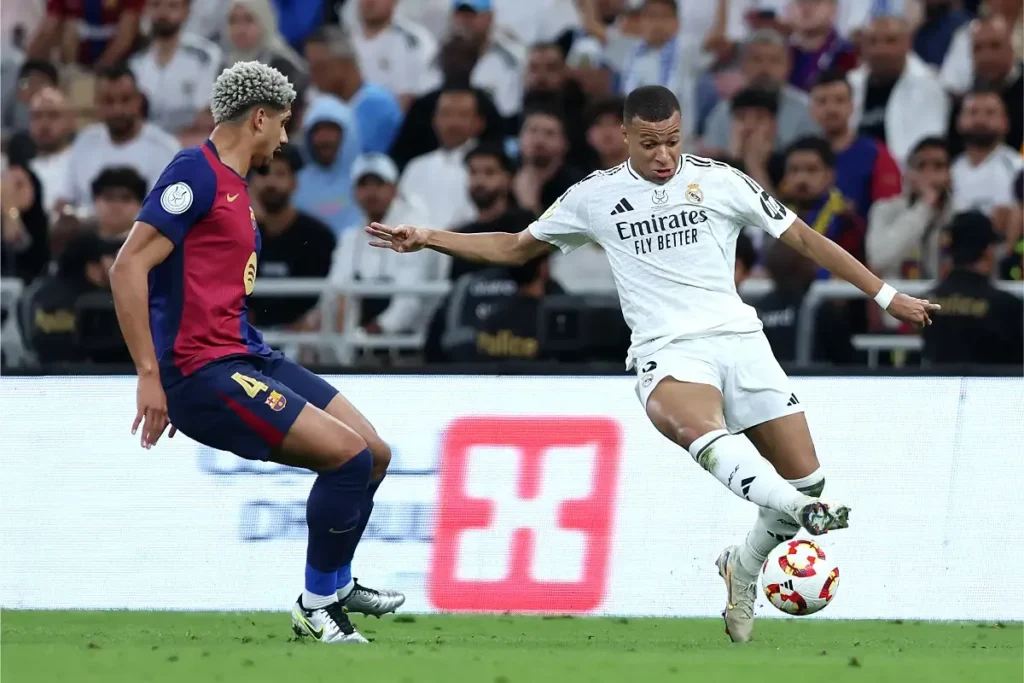
The Rise of the Inverted Playmaker
The 2026 Supercopa will likely showcase the “inverted” role as a standard rather than an experiment. Players like Alejandro Balde are expected to vacate the touchline to create central overloads.
What is the Spanish Super Cup and how does it work?
When will the 2026 Spanish Super Cup take place?
By stepping into the half-spaces, these defenders act as secondary playmakers, allowing wingers to stay high and wide. This tactical shift forces opponents to choose between tracking the runner or clogging the middle.
Defensive Solidity vs. Offensive Overloads
While attacking output is vital, the 2026 Supercopa will test the defensive recovery of these advanced “defenders.” The tournament features counter-attacking giants like Atletico Madrid, who thrive on the space left behind marauding backs.
Rest-defense remains the buzzword for coaches like alonso and Flick.
Full-backs must balance their Expected Assists (xA) with successful recovery tackles.
The physical demand to cover 11km+ per match has never been higher.
Why Full-Backs Decide the 2026 Supercopa?
Historically, finals are won in the midfield, but the 2026 Supercopa could be decided on the flanks. With elite teams using a 3-2-5 attacking shape, the full-back often becomes the “free man” in build-up play. If a team can successfully exploit 2v1 situations out wide, they will likely lift the trophy in Saudi Arabia. The 2026 Supercopa serves as the ultimate stage for these tactical chameleons to prove their worth.