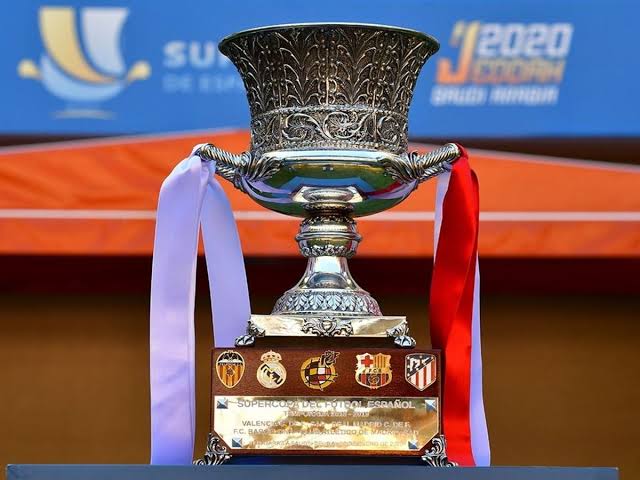
Since its total overhaul, the Spanish Super Cup has transformed from a quiet pre-season opener into a high-octane global spectacle.
For decades, fans witnessed a simple two-legged tie held in the sweltering heat of August. However, a seismic shift in the footballing calendar changed everything for supporters and clubs alike.
This evolution wasn’t just about playing more matches; it was about elevating the stakes and the entertainment value for a worldwide audience. Understanding the origins of this change is key to appreciating the current Super Cup landscape.
The 2020 Revolution of the Super Cup
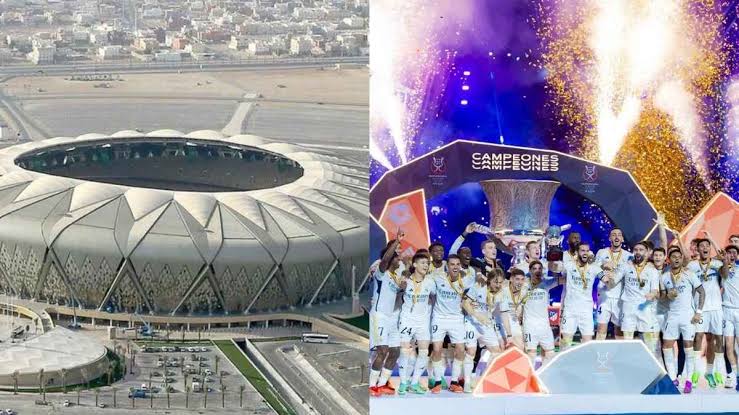
The four-team Super Cup format was officially introduced in January 2020. While the Royal Spanish Football Federation (RFEF) announced these radical changes in early 2019, the first actual “Final Four” tournament took place in Saudi Arabia.
This move marked a departure from tradition by shifting the event to the winter months. By including four teams, the federation ensured that top-tier clubs remained in the hunt for glory even without a previous season trophy.
Real Madrid emerged as the inaugural winners of this new-look Super Cup, despite not having won La Liga or the domestic cup the year prior.
This outcome immediately proved that the expanded format could produce unpredictable and thrilling narratives.
The tournament effectively became a high-stakes mini-league, capturing global attention through its intense knockout structure.
Why the Format Shifted to a Super Cup Final Four
The primary motivation behind the new Super Cup was to globalize Spanish football and maximize commercial revenue.
By moving the matches to international venues, the RFEF tapped into a massive, passionate fan base in the Middle East.
Additionally, the expanded roster increased the likelihood of high-profile clashes like El Clásico occurring on a neutral stage.
- Increased Revenue: Multi-million euro deals with host nations.
- Fan Engagement: Reaching new demographics outside of Europe.
- Competitive Balance: Giving league runners-up and cup finalists a second chance at silverware.
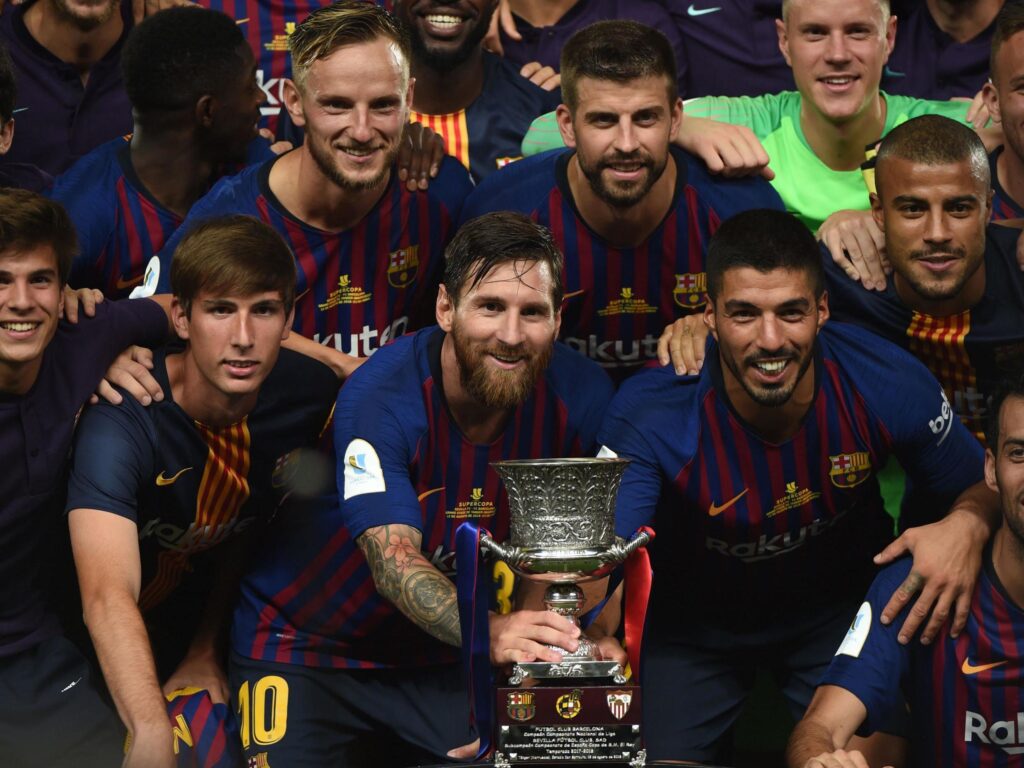
Modern Legacy of the New Super Cup System
Today, the Super Cup is a staple of the mid-season footballing diet. It serves as a crucial momentum builder for elite teams heading into the final stretch of the European season.
While some purists miss the home-and-away ties in Spain, the financial and competitive success of the current Super Cup is undeniable. It has successfully turned a simple “curtain-raiser” into a premier destination for world-class football.
Do you think the Super Cup should return to its original two-team format in Spain, or is the international “Final Four” better for the growth of the game?